













Contents
In a statement on the uses of cylindrical grinding machines in medical manufacturing, STUDER highlighted a range of applications from hip prosthesis components to dental instruments. The company says machine configuration, measuring systems, software and automation options need to be evaluated together according to production requirements.
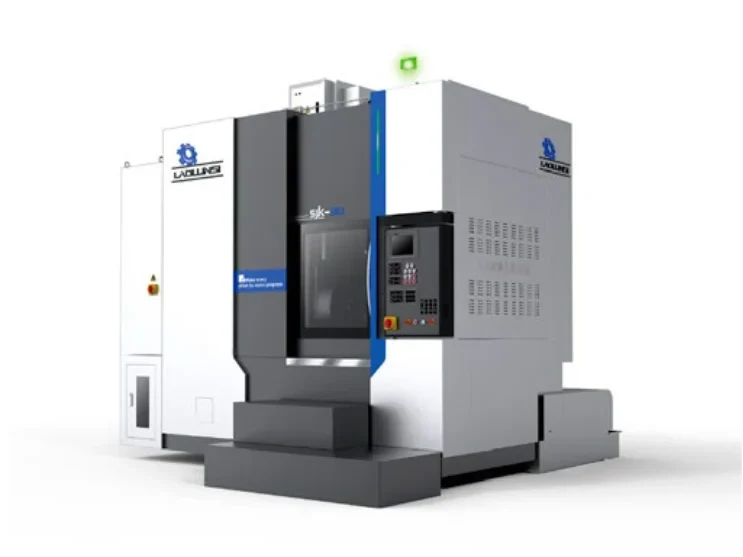
STUDER described cylindrical grinding applications in medical manufacturing using its S121 Radius, S131 Radius and S31 models. According to the company, these machines are used to machine a variety of parts such as hip joint components, dental burs and bone rasps. Alongside the expectations for precision and surface quality in medical part production, the statement also addresses process repeatability, documentation and automation requirements.
Stephan Siebner, the company’s Regional Sales Manager, says customers use STUDER systems to produce products such as precision bone drills, spinal anaesthesia needles and hip prostheses. According to Siebner, the technical specifications for the machine must be met in detail in these applications. Production in the dental field is also among the application areas the company cites as examples.
Cylindrical grinding requirements in medical manufacturing
Pascal Würsch, Area Sales Manager at STUDER, says parts such as implants and surgical instruments can have complex geometries and require the machining of materials such as titanium, stainless steel and ceramics. The company says it addresses dimensional accuracy, surface integrity and process reliability together in these applications.
The statement highlights the importance of repeatable results for controlled and certified production environments. However, the text does not provide tolerances, surface roughness or cycle times for any specific part. The applications described therefore define the machines’ areas of use and configuration options rather than offering a numerical performance comparison.
S121 Radius and S131 Radius for hip prosthesis components
According to the examples given by the company, the S121 Radius and S131 Radius internal cylindrical grinding machines are used to produce hip joint balls and sockets. The statement describes these applications using components made from biocompatible materials such as titanium and ceramics.
The features of the S121 Radius include the StuderGuide® guideway system and linear motor axis drives. The company says this design is intended for grinding complex workpieces made of hard materials. For the S131 Radius, the extended swivel range of the B axis and up to four spindle positions are highlighted.
S31 for dental instruments and bone rasps
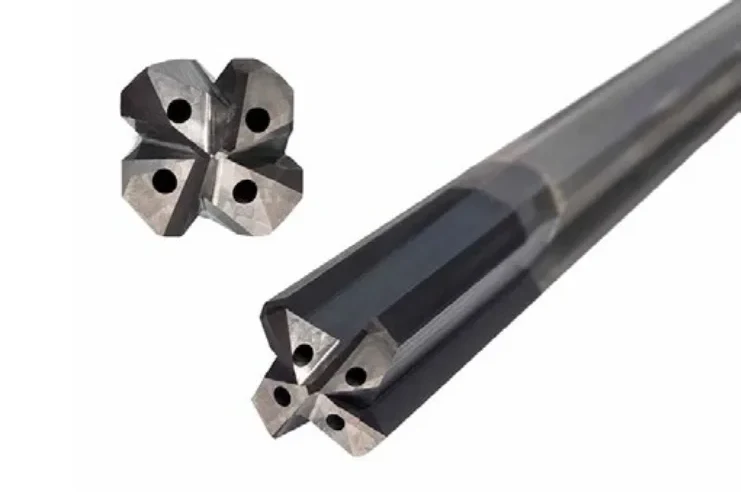
In the statement, the S31 universal cylindrical grinding machine is associated with dental instrument production. According to STUDER, the machine can be configured to machine carbide burs used in the production of dental prostheses and plates. The modular system allows configurations suited to different production tasks.
The company lists frequency-controlled motor grinding spindles and a high-resolution direct measuring system among the S31’s technical equipment. The same model is also said to be used in the production of bone rasps used in orthopaedics and surgery. Würsch notes that various STUDER models serve medical part production at both large manufacturers and supplier companies.
Software and automation options
STUDER lists StuderWIN, StuderPictogramming and StuderSIM among the software supporting grinding applications. The company statement also covers integrated tools for profile creation, measurement and contour generation. These tools are offered for programming and executing complex grinding tasks.
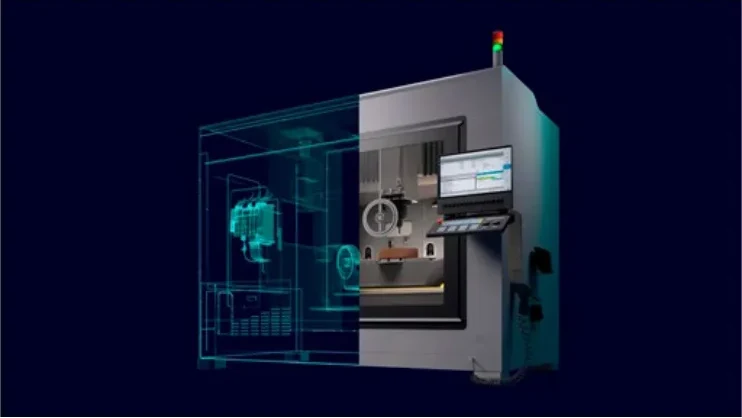
UNITED GRINDING’s C.O.R.E. hardware and software architecture is also addressed in the digitalisation section of the statement. According to the company, production control and real-time data analysis can be performed via a touch panel. However, the statement contains no measured data on the results of these functions on a specific medical production line.
On the automation side, standard loading systems, robots and interfaces are said to be offered, as well as application-specific arrangements. Siebner says the solution is determined according to the customer’s production requirements. Machine configuration, grinding technology and grinding wheel selection are also described as part of this evaluation process.
Validation and service support
The company highlights the importance of validation, documentation and process qualification in medical manufacturing projects. In this context, it defines developing an application-appropriate solution together with the customer as part of its service approach. The statement does not include regulatory compliance documentation or certification details for any specific machine model.
After-sales services include on-site service, preventive maintenance programmes and remote diagnostics. STUDER links these services to machine availability and production continuity. The statement also mentions the application of WireDress® contactless wheel dressing technology in external and internal grinding; however, the technical scope, performance data or commissioning date of this application are not disclosed.
Read in the e-magazine — Page 36

Author
Güç Aktarım


 Güç Aktarım (Power Transmission)Güç Aktarım · Kasım 2026Read the latest issue free →